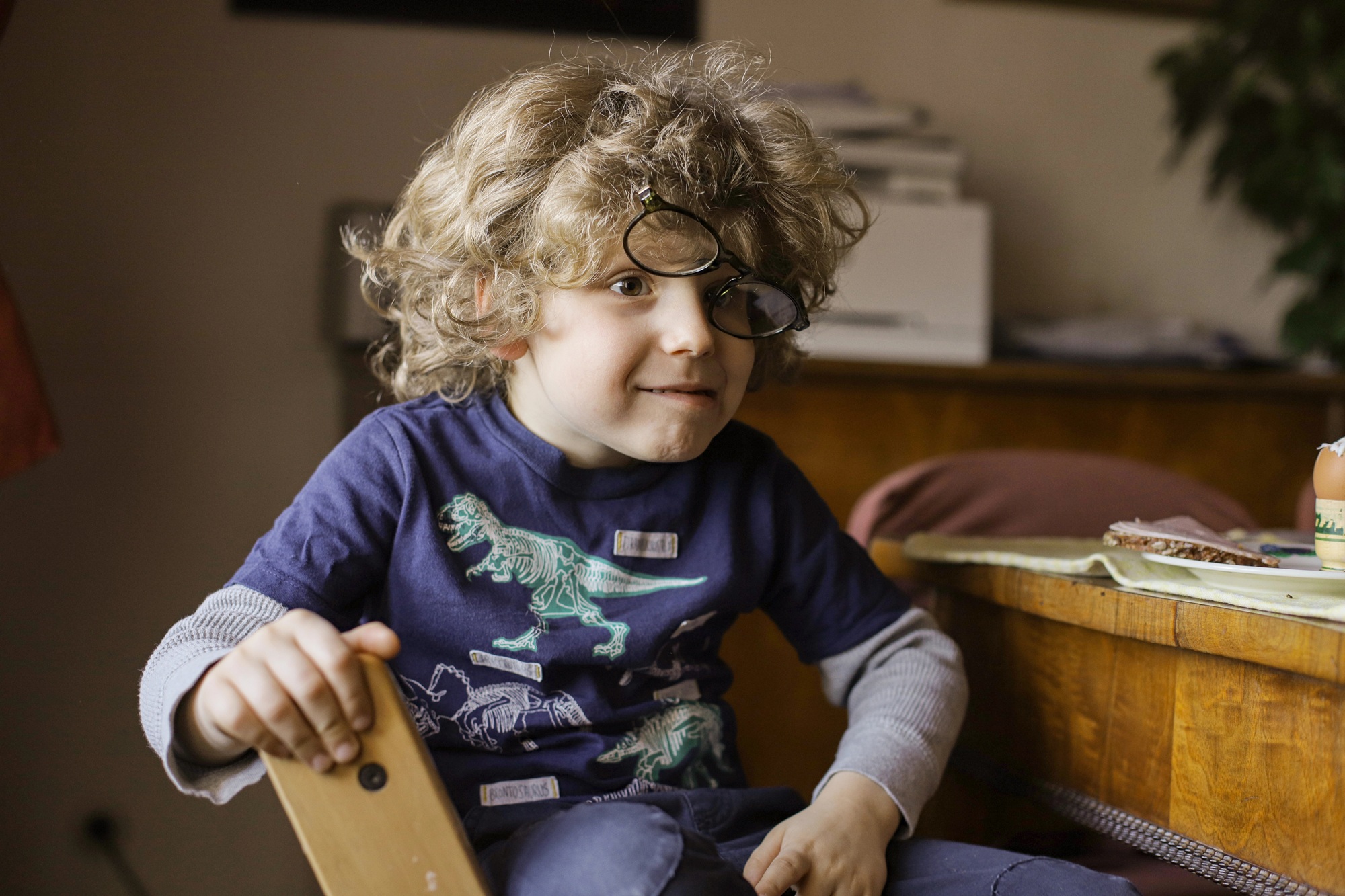
Focus & Calm: Addressing Attention, Anxiety, and Emotional Regulation in Children Naturally
By Dr. Janet Cuhel, DC, ICPA Certified, 100 Year Lifestyle Certified, 30+ Years Pediatric & Family Chiropractic Experience
If you’ve ever watched your child race through the house like a whirlwind, melt down at bedtime, or struggle to pay attention in school, you’re not alone. Big feelings, restless bodies, and waves of anxiety are becoming increasingly common among today’s kids. Every parent wants to help their child feel calm, focused, and confident – but it’s hard to know what’s “just a phase” and when it’s time to seek more support.
The truth is, your child’s ability to focus and manage stress is shaped by a blend of brain wiring, physical development, home routines, and their ever-changing bodies. This article will help you separate myth from reality, discover actionable strategies, and explore how pediatric chiropractic care can play a safe, natural role in your family’s wellness journey.
What You’ll Learn
- How movement and posture shape brain development – and attention
- Signs of nervous system “overload” versus normal childhood energy
- When challenges like focus struggles, anxiety, or emotional outbursts deserve help
- Science-backed ways to help your child self-regulate and find calm
- The gentle, supportive role of chiropractic in focus, mood, and emotional resilience
The Brain-Body Connection: Why Focus Starts in the Spine
You may know attention and behavior are connected to the brain, but few realize how crucial the physical body – especially the spine and nervous system – are to calm and focus. The nervous system acts as a superhighway, delivering messages between the brain and every cell, muscle, and organ.
When a child’s nervous system is balanced and free from excess tension, they can rest, recover, pay attention, and self-soothe more easily. But if stress, poor posture, or stuck spinal segments (“subluxations”) add “static” to that pathway, it may show up as:
- Restlessness and fidgeting
- Trouble sitting still or switching activities
- Impulsivity or “meltdowns” over small challenges
- Sleep issues, bedwetting, or headaches
- Tummy trouble or unexplained aches
Kids don’t always have words for discomfort – so these behaviors become their “language.”
Movement and Posture: Building the Foundation for Focus
Regular movement, active play, and strong core muscles aren’t just good for physical health – they’re crucial for attention, memory, and emotional regulation.
- Active kids build strong brain connections: Crawling, climbing, swinging, and balancing tasks help the two sides of the brain communicate, laying the foundation for reading, mathematics, and calm, organized thinking.
- Posture and “tech neck”: Long hours hunched over devices or slumping at the table can compress nerve pathways, making it harder for the brain to “filter out” distractions and big emotions.
- Lack of movement stifles calm: Children with sedentary routines – less play, more screens – often experience more anxiety, irritability, and attention challenges because their nervous system isn’t getting the “reset” it needs.
Is It a Phase, or Is It Time for More Support?
All children have moments of distraction and big feelings, but persistent or extreme patterns may signal deeper needs, including nervous system overload or a sensory processing challenge. Common red flags include:
- Chronic fidgeting, even in calming environments
- Difficulty staying focused in school or any task
- Frequent mood swings, aggression, or unmanageable outbursts beyond age expectations
- Ongoing difficulty falling or staying asleep
- Refusal to try new activities, social withdrawal, or anxiety that won’t budge
If these patterns disrupt learning, friendships, or family peace, it’s time to reach out for more resources – including pediatric care from experts.
Family-Friendly Strategies for Real Calm and Better Focus
You are your child’s first and best “regulation coach.” Try these actionable steps, grounded in both pediatric neuroscience and chiropractic-friendly wellness:
1. Daily Movement
- Make sure children have at least 60 minutes of active play daily – outdoors is best!
- Mix steady movement (bike rides, running) with balance and coordination (yoga, crawling games, dance).
2. Screen Time Smarts
- Limit recreational screen time, especially 1 hour before bed.
- Balance device use with regular “movement breaks” – set a timer to get up and move every 20–30 minutes.
3. Consistent Routines
- Predictable bedtimes, meals, and afterschool routines help regulate the nervous system.
- Try “prep time” transitions – gentle warnings before changes in activity to minimize meltdowns.
4. Posture Patrol
- Model and coach “tall spine, chin up” especially during homework or practice.
- Use child-sized chairs/desks; elevate devices to eye level when possible.
5. Nutrition and Hydration
- Balanced meals, less sugar, and steady hydration support mood, focus, and steady energy.
6. Emotional Literacy & Mindfulness
- Teach simple breathing techniques (“dinosaur breath”), mindfulness games, and emotion-labeling as daily habits.
- Give your child “cool-down” spaces and permission to self-soothe.
Chiropractic Care: Gentle, Holistic Support for Focus and Calm
Pediatric chiropractic is not a cure for ADHD, anxiety, or similar diagnoses. Instead, gentle, child-focused adjustments help reduce nervous system stress, ease tension in the spine, and clear “background noise” for better brain-body harmony.
What does care look like?
- Gentle, age-appropriate assessments (no forced movement or “cracking”)
- Focus on the child’s comfort, sensory needs, and unique health history
- Collaboration with parents, pediatricians, and other providers
What do families report?
- Less frequent and intense “meltdowns” or emotional swings
- Improved sleep, focus, and easier transitions
- Better energy, confidence, and physical comfort
Chiropractic is drug-free, non-invasive, and always tailored to each child’s individual needs.
When to Seek Additional Support
Pediatric chiropractic works best as part of a team approach. If home strategies alone don’t help, or if focus, anxiety, or behavior issues feel overwhelming, reach out to your pediatrician. They can rule out underlying issues and make a plan – possibly including counseling, OT, or collaborative care.
Key Takeaways
- A healthy nervous system supports focus, mood, resilience, and family harmony.
- Daily movement, good posture, and screen time boundaries lay the foundation for calm and learning.
- Persistent challenges deserve a team approach, including pediatric chiropractic evaluation.
- Your child’s best days start with empowered, supported parents – like you.
Frequently Asked Questions
Q: Can chiropractic “fix” my child’s attention struggles?
A: There is no “fix” – but gentle care can help clear nervous system stress and improve calm as part of a holistic approach.
Q: Is it safe for sensory kids or those with developmental delays?
A: Yes. Trained pediatric chiropractors adapt care for each child’s comfort and needs.
Q: Will adjustments interfere with other therapies?
A: No. Chiropractic works best when integrated into a well-rounded care and support plan.
Q: How soon might we notice changes?
A: Some families see improvement after a few visits – others need more time. Each child is unique.
Q: How do we begin?
A: Start with a complimentary pediatric evaluation to see if chiropractic is a good fit for your family.
Dr. Janet Cuhel, DC
Dr. Janet Cuhel is a co-founder of Spinal Corrective Center and an expert in pediatric and family chiropractic care. ICPA Certified, a 100 Year Lifestyle provider, and among the first to complete the ICA Pediatric Diplomate Program, she has served more than 10,000 children and their families over three decades. Dr. Cuhel believes in gentle, safe chiropractic for every stage, meeting parents and children with clear, science-backed education and unwavering support.
Credentials & Affiliations
- Doctor of Chiropractic, Palmer College of Chiropractic
- Pediatric Diplomate, International Chiropractors Association
- ICPA Certified
- 100 Year Lifestyle Certified
- Co-founder, Spinal Corrective Center
- 30+ years in pediatric and family practice
- Community health educator
Disclaimers & Safety Reminders
This article is for educational purposes only. Chiropractic care is not a substitute for emergency care or orthopedic evaluation. Individual results vary; always consult your child’s healthcare team for guidance on injuries, well-being, and return to play.