Headaches, Growing Pains & “Mystery Aches”: When Should Parents Worry?
By Dr. Gene Cretsinger, DC, 100 Year Lifestyle Certified, 57+ Years Family & Pediatric Chiropractic Experience
Every parent knows the worry that comes when a child complains of headaches, sore legs, or odd aches that seem to come and go. Sometimes it’s after a busy day of play, sometimes it comes at bedtime, disrupting their (and your) sleep. How do you know what’s normal growing, and what deserves a closer look?
With over five decades caring for Cedar Rapids families, my goal is to demystify childhood pain – explaining what’s typical, what’s not, and how a gentle, whole-child approach (including chiropractic) helps get to the root, not just the relief.
What You’ll Learn
- Common types of aches in children and which are “normal”
- Patterns and red flags for more serious concerns
- How the spine and nervous system influence pain and discomfort
- Simple home checks and comfort tips for parents
- When gentle chiropractic evaluation may help
- Parent empowerment tools for ongoing wellness
The “Normal” Aches of a Growing Body
Kids are in constant motion. Even healthy children may experience:
- Headaches: Often related to dehydration, screen time, or tension. Sometimes triggered by posture, stress, or even vision issues.
- Growing pains: Dull aches in the legs, mainly at night during growth spurts. Not linked to injury; respond well to heat, gentle massage, and time.
- Tummy, back, or shoulder aches: May arise after activity, long car rides, or emotional stress.
- “Random” pains: Bruises, bumps, and sore spots from sports, playgrounds, or heavy backpacks.
Key Insight: Typical aches come and go, respond to home comfort measures, and rarely interrupt play or daily activities.
Red Flags: When to Call or Dig Deeper
Some symptoms suggest follow-up with your child’s pediatrician or a pediatric chiropractor:
- Pain that wakes your child at night or keeps recurring over weeks
- Headaches with nausea, vomiting, vision changes, fever, or confusion
- Severe stiffness, especially neck or back
- Limping, favoring one side, or refusal to move an arm or leg
- Back pain with tingling, numbness, or weakness
- Inexplicable pain with fever, weight loss, or behavior changes
Remember: Trust your instincts. If there’s any doubt, reach out to your healthcare provider first.
Spinal Health and Pain: What Most Families Don’t See
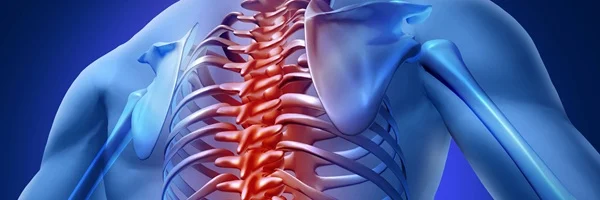
Many childhood aches originate with the nervous system and spine – sometimes from tiny misalignments called subluxations (often pain-free at first). These may develop from:
- Falls, slips, and tumbles (even years ago!)
- Carrying heavy bags or bad posture with screens
- Sports collisions or repetitive motion
- Long car rides, improper seat belts, or sleep positions
When spinal tension disrupts nerve communication, it can show up as:
- Chronic headaches or body aches (especially if paired with “tech neck” posture)
- Leg discomfort, limping, or repeated injuries on one side
- General sensitivity, irritability, or trouble sleeping
At our clinic, we use gentle, child-friendly exams to spot these often-hidden patterns – supporting natural healing and resilience.
Home Strategies: Comfort and Observation
- Hydration check: Dehydration is a very common cause of headaches and cramps – offer water first!
- Stretch & movement: Encourage gentle stretching, especially after long periods sitting or using screens.
- Backpack check: Packs should weigh less than 10–15% of child’s body weight; straps on both shoulders.
- Daily tracker: Keep a simple log of when, where, and how your child complains of pain.
- Warm compresses/Baths: Soothes muscles and encourages circulation.
- Posture reminders: Shoulders down and back, screens at eye level, regular movement breaks.
- Balanced meals: Consistent nutrition supports the body’s ability to heal and grow.
When to Consider a Pediatric Chiropractic Evaluation
If pain is persistent, impairs sleep/play, seems “stuck” on one side, or is accompanied by postural concerns or repeated minor injuries, a chiropractic evaluation may reveal subtle imbalances missed in routine checkups.
A pediatric evaluation is gentle, educational, and always done in partnership with your full care team. Our focus is on restoring balance, not “pushing through” pain, and helping parents avoid medication whenever possible.
The Gentle Chiropractic Difference
- Non-invasive; no “forced” adjustments or cracking
- Age-appropriate exams assessing movement, posture, and spinal alignment
- May help reduce aches by restoring full nerve communication and joint balance
- Supports healing from daily bumps, strains, and growth challenges
- Helps children better adapt to stress, physical demands, and rapid growth
Key Takeaways
- Most childhood aches are short-lived and resolve on their own, but trust your gut if something feels “off”
- Patterns that persist, worsen, or impact sleep/play deserve a closer look
- Spinal and nervous system health play an often-missed role in childhood pain
- Chiropractic care offers a gentle, safe approach for comfort and prevention – always alongside your child’s pediatrician
FAQs
Q: Are headaches or leg aches ever “normal”?
A: Yes – short-term aches are a common part of growth, but watch for patterns, frequency, and any red flags above.
Q: Will my child “outgrow” most pains?
A: Many will – especially growing pains – but alignment issues, postural habits, or nerve tension can make some aches stick around.
Q: Is chiropractic safe for children?
A: When delivered by experienced pediatric chiropractors, adjustments are gentle, specific, and tailored to age and comfort.
Q: Can chiropractic help after an injury?
A: Chiropractic is often an important support for recovery after the acute phase – helping restore balance and comfort.
Q: Do you work with pediatricians?
A: Absolutely! Collaborative, coordinated care is key for your child’s wellness.
Dr. Gene Cretsinger, DC
Dr. Gene Cretsinger is a co-founder of Spinal Corrective Center in Cedar Rapids and a respected chiropractor with 57+ years of experience delivering gentle, effective care for families, children, and athletes. A graduate of Palmer College of Chiropractic and certified in The 100 Year Lifestyle, Dr. Cretsinger has supported five generations of patients with a focus on natural wellness and empowering education. He is passionate about family health, child development, community outreach, and holistic, evidence-based chiropractic care at every age.
Credentials & Affiliations
- Doctor of Chiropractic, Palmer College of Chiropractic
- 100 Year Lifestyle Certified
- Co-founder, Spinal Corrective Center
- Over 57 years in chiropractic practice
- Member, International Chiropractic Pediatric Association (ICPA)
Disclaimers and Safety Reminders
This article is for educational purposes only. Chiropractic care is not a replacement for primary pediatric care or emergency medical advice. Results vary. Always consult your child’s medical provider with questions and before starting new healthcare routines.