Oubaitori
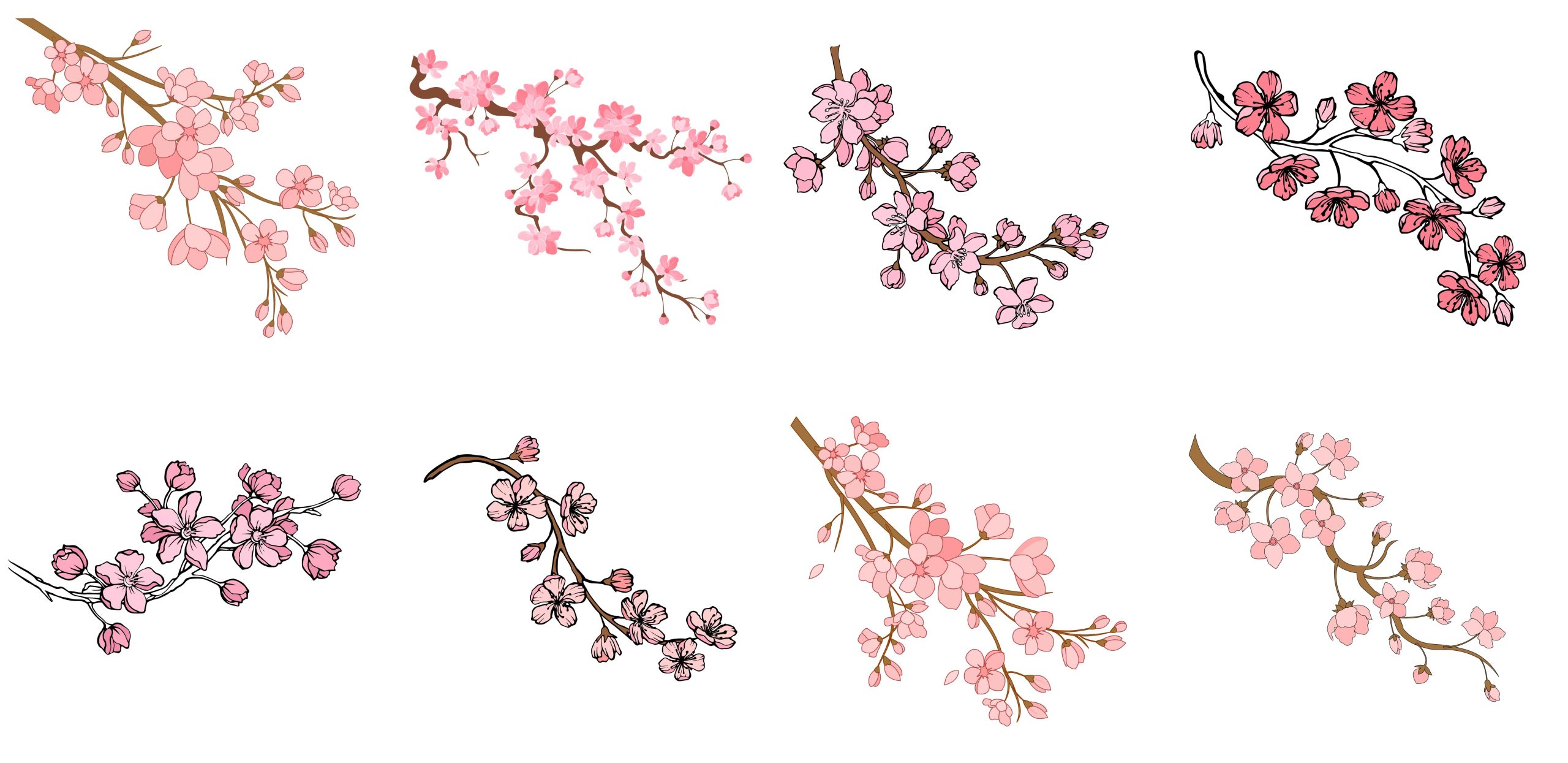
In Japanese, there is a word that quietly challenges one of modern life’s most exhausting habits: comparison. Oubaitori (pronounced oh-buy-toe-ree), is a concept inspired by nature. The word itself is written in Japanese as the sum of the words for four flowering trees: cherry, apricot, peach, and plum. These trees often grow side by side and bloom in the same season. However, each does so in its own time, with its own unique shape and color. They don’t compete. There is no reason to. Each tree creates its own beauty and contributes its own tasty fruit to the world in its own time and way.
Seems reasonable, almost assumed. Right? Yet, when it comes to the U.S., according to many publications including Psychology Today, comparison culture is real and harmful to far too many Americans of all ages. Oubaitori reminds us that growth is not a competitive process. It is an expression.
From the 100 Year Lifestyle perspective, we’re not just talking about a philosophical idea here. It’s an important health principle.
The Roots
In 1954, psychologist Leon Festinger used his social comparison theory to explain how people assess their personal and social worth by looking outward. He believed that human beings are wired to evaluate ourselves in relation to others, often using appearance, wealth, intelligence, and success as measuring sticks. The upside of this is that comparison can provide short-term motivation. However, research consistently shows comparison also increases dissatisfaction, guilt, and shame and is linked to harmful behaviors, including emotional eating and dishonesty. Since he first developed this theory, social media has, of course, fanned the embers into a raging global forest fire.
Comparison and Your Health
Today, comparison has become so normalized that many rarely question it. We compare careers, bodies, relationships, energy levels, productivity, parenting styles, and aging itself, just to name a few. Often, this happens automatically with logic and perspective never getting a chance to intervene.
Physiologically, comparison acts like a chronic stressor. Each time we measure ourselves against someone else, our nervous system subtly shifts into alert mode. Our stress hormones rise, our breathing becomes shallow, our muscles tense, and we lose mental clarity.
Over time, even this low-grade stress contributes to fatigue, inflammation, poor sleep, weakened immunity, and diminished resilience. Comparison doesn’t just steal joy, it drains biological resources needed for healthy longevity.
Oubaitori offers a different signal to the body: You are allowed to, indeed, meant to grow and live at your own pace.
Oubaitori and You
Human beings, like flowers, are designed to grow according to their own rhythm. Clearly, we look different. We have different skills, talents, likes, and dislikes. Usually, we develop differently, mature differently, and age differently. When we honor that reality, the body responds with balance. When we don’t, the body pays the price. Comparison, especially constant, unconscious comparison, pulls us out of alignment with our natural pace. And misalignment is costly.
Why Oubaitori Supports Longevity
When we stop comparing ourselves to others, the nervous system settles. When the nervous system settles, the body can repair, regenerate, and adapt. Nervous system regulation directly influences many bodily functions. That means that the totally useless process of comparing ourself with others can seriously impact our:
- Digestion and nutrient absorption
- Hormone balance
- Immune function
- Recovery and healing
- Emotional resilience
Oubaitori supports longevity because it removes the unnecessary pressure we create for ourselves and our nervous system. It replaces vigilance with presence, and competition with alignment.
Side-By-Side Comparison (pun intended)
While comparison ages us, oubaitori sustains us. Comparison keeps our attention focused outward on just the stuff we can see. We’re talking about often arbitrary metrics, milestones, and appearances that don’t tell the full story. By looking at only what interests us we look past other factors and data regarding vitality, energy, happiness, and authenticity. Oubaitori brings our attention back inward.
It’s not about how you measure up. The questions we should be asking ourselves, the questions that matter are:
- Am I growing in ways that matter to me?
- Am I honoring my energy today?
- Am I becoming more aligned, capable, and resilient?
This shift in perception reduces the friction caused by our internal dialogue, which in turn decelerates burnout and biological aging.
Oubaitori as a Daily Health Practice
Practicing oubaitori doesn’t mean you’ll be ignoring the success of others. It means you will be changing how you relate to it.
What you can do is:
- Notice comparison without feeding it
- Treat yourself with the same kindness you offer others
- Track progress based on who you were, not who someone else appears to be
- Use inspiration as fuel, not judgment
From the 100 Year Lifestyle viewpoint, this is a smart strategy. Living at 100% requires energy, and comparison is one of the fastest ways to waste your energy.
A 100 Year Lifestyle Perspective
Cherry trees don’t become stronger by blooming earlier than peach trees. Peach trees have nothing to do with it. Cherry trees become stronger by blooming well, year after year. Human beings are no different. By releasing comparison, you reclaim your energy. When you reclaim your energy, you support your health. As you support your health, you extend not just your lifespan but the quality of your life.
Oubaitori isn’t a rejection of ambition, it’s a commitment to alignment. In our quest for healthy longevity, we all could use more alignment in our life.
Luckily, there’s an expert ready to help you with your alignment on your journey of healthy longevity. Find a 100 Year Lifestyle provider near you today.

The post Oubaitori appeared first on The 100 Year Lifestyle.
This article first appeared on The 100 Year Lifestyle.